
Picking Raspberries
Lessons from a $5 plant
This raspberry plant is special to us.
Not because it’s rare or expensive — but because my son bought it himself. Five dollars from a small backyard garden sale, chosen with care, planted with hope.
Season after season, it keeps giving.
It’s fed us, yes — but it’s also grounded us. It’s pulled the kids into the sunshine, away from screens, and into real-life learning. It’s become a quiet teacher.
More Than Just Fruit
Picking raspberries slows everything down.
Hands become gentle. Eyes scan for deep red berries ready to release with the lightest touch. Conversations soften. There’s laughter, sticky fingers, and a sense of shared purpose.
And then there’s the noticing.
Learning Who Lives in the Garden
Through this plant, we learned about fluffy bums (mealybugs) and stink bugs — not from a book, but by observation.
These little “fluffy bums” can be easy to miss at first. I’ve shared a short reel showing how to identify them early and what they’re telling us about plant stress.
Stink bugs are another visitor we’ve learned to work with, rather than against. I’ve shared a quick reel showing simple, natural ways to deter them and reduce their impact without reaching for sprays.
Both are sap suckers, which means they feed by piercing the plant and drawing out its sap. This weakens the plant over time, reduces fruiting, and creates entry points for fungal disease.
A stressed plant sends signals — and pests are very good at noticing.
Prevention Is Better Than Cure 🌿
One of the biggest lessons this raspberry bush taught us is that healthy plants are naturally more resilient.
When plants are well cared for:
They produce stronger growth
Their natural defences are higher
They’re less attractive to sap-sucking insects
So rather than reaching for sprays, we focused on supporting the plant first.
Companion Plants That Help
To deter pests and invite balance back in, we planted supportive companions around the base of the raspberry bush, including:
Marigolds – help deter unwanted insects and add colour
Chives or garlic – strong scents can discourage sap suckers
Lavender – supports beneficial insects and repels some pests
Nasturtiums – act as a trap plant, drawing pests away
These plants also invite natural predators, such as:
Ladybirds (ladybugs)
Lacewings
Hoverflies
Nature has its own pest control system — we just need to make space for it.
If you’re wanting to explore companion planting more deeply, I’ve created a free companion planting guide to help you get started simply and naturally.
And if you’re ready to go further, my Ultimate Companion Planting Guide brings everything together in one place — designed to support healthy plants through prevention, not cure.
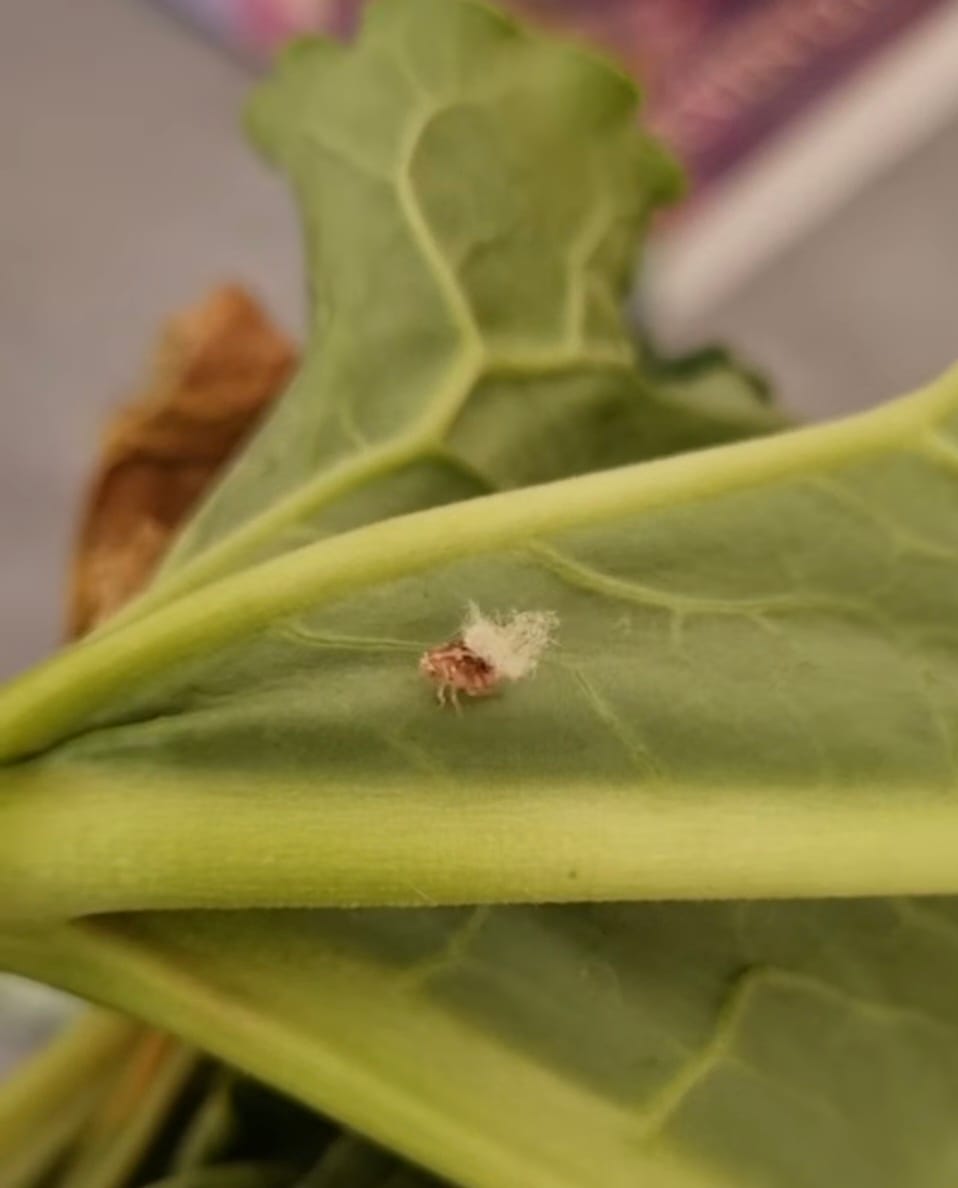
Pictured on the left is the cute but menacing Passion Vine Hopper aka Fluffy Bum found on our Rhubarb. It is a psyllip or lerp insect. You can tell where they've been as they secrete a protective covering over their bodies, seen as a white, waxy substance.
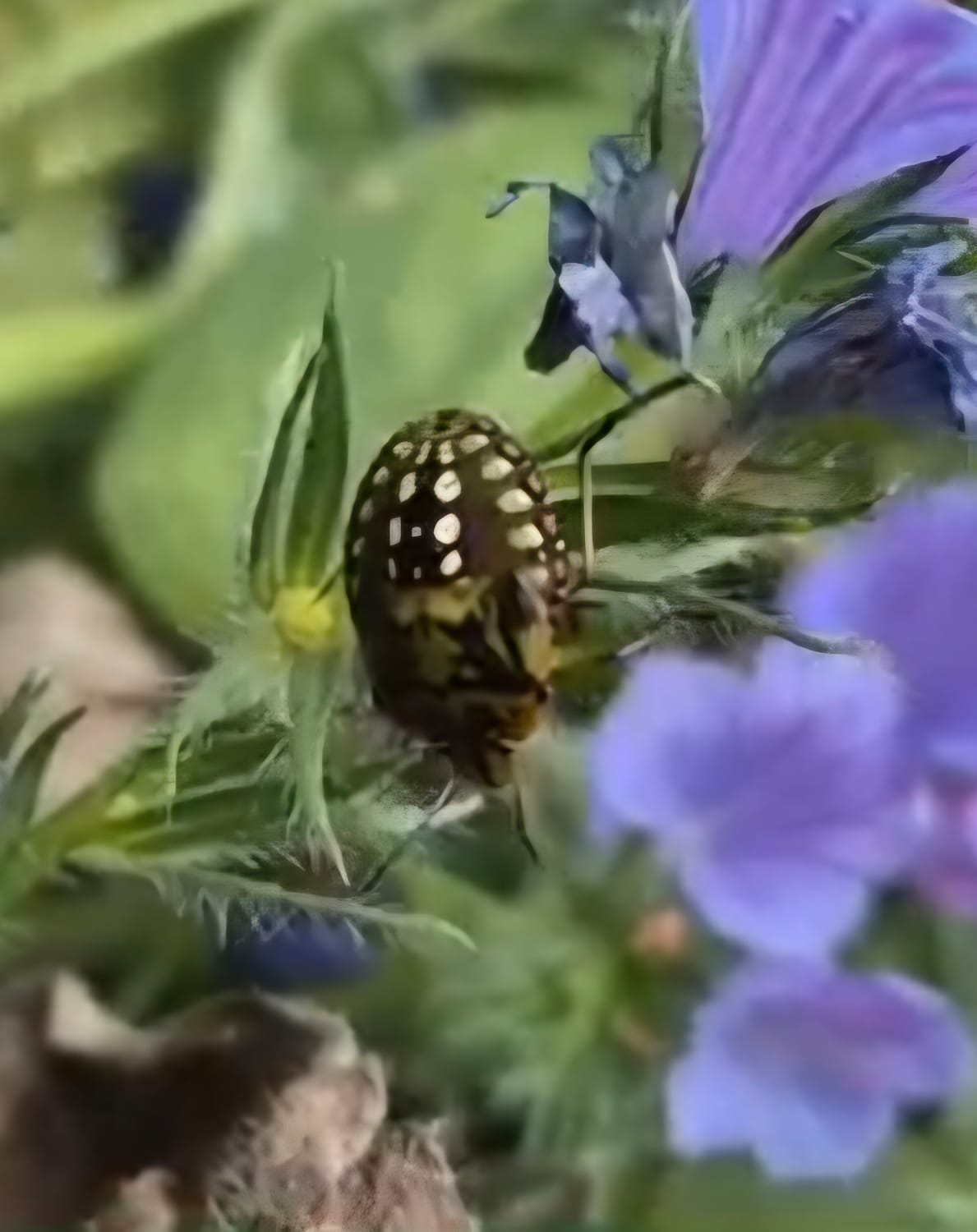
The image on the right is the green vegetable bug (Nezara viridula) also known as a shield bug or stink bug in its final nymph stage. Quietly nestled amongst our wildflower mix.
Caring for Raspberries Naturally
We also adjusted how we cared for the plant:
Regular watering, especially during dry spells
Mulching to keep roots cool and soil healthy
Pruning old canes after fruiting to improve airflow
Checking stems and leaves regularly so issues are noticed early
Feeding the soil, not the plant — compost and organic matter instead of quick fixes
When a raspberry plant is strong, well-fed, and not stressed, pests are far less likely to take hold.
A Living Classroom
This one plant has taught my children:
Where food comes from
That living things need care
That problems don’t always need forceful solutions
That observation is powerful
It’s shown them that a small choice — a $5 plant — can create seasons of nourishment, learning, and connection.
The Quiet Gift of Gardening
Gardens don’t just grow food.
They grow patience. Curiosity. Responsibility.
And sometimes, they grow children who understand that when we look after something well, it looks after us in return.
Created with ©systeme.io• Privacy Policy • Terms and Conditions