
Harvesting Calendula Seeds
A celebration of resilience, regeneration, and gentle medicine
Calendula is my favorite flower to grow in the garden. Not just for its vibrant golden and orange petals, but for the way it quietly does so much — healing the soil, feeding the bees, supporting our skin, and reseeding itself year after year with very little effort.
If you’re looking for a plant that truly embodies nature’s generosity, calendula is it.
Why Calendula Deserves a Place in Every Garden
Calendula (Calendula officinalis) has been used for centuries as a healing plant, particularly for skin health. Its petals are often infused into oils, balms, and salves to support:
Support collagen production, helping skin repair and renewal
Soothe skin affected by eczema, rashes, and dermatitis
Assist with healing skin during radiation treatment, under professional guidance
It’s a humble flower with remarkable properties — one I always keep close, both in the garden and in infused oil form at home.
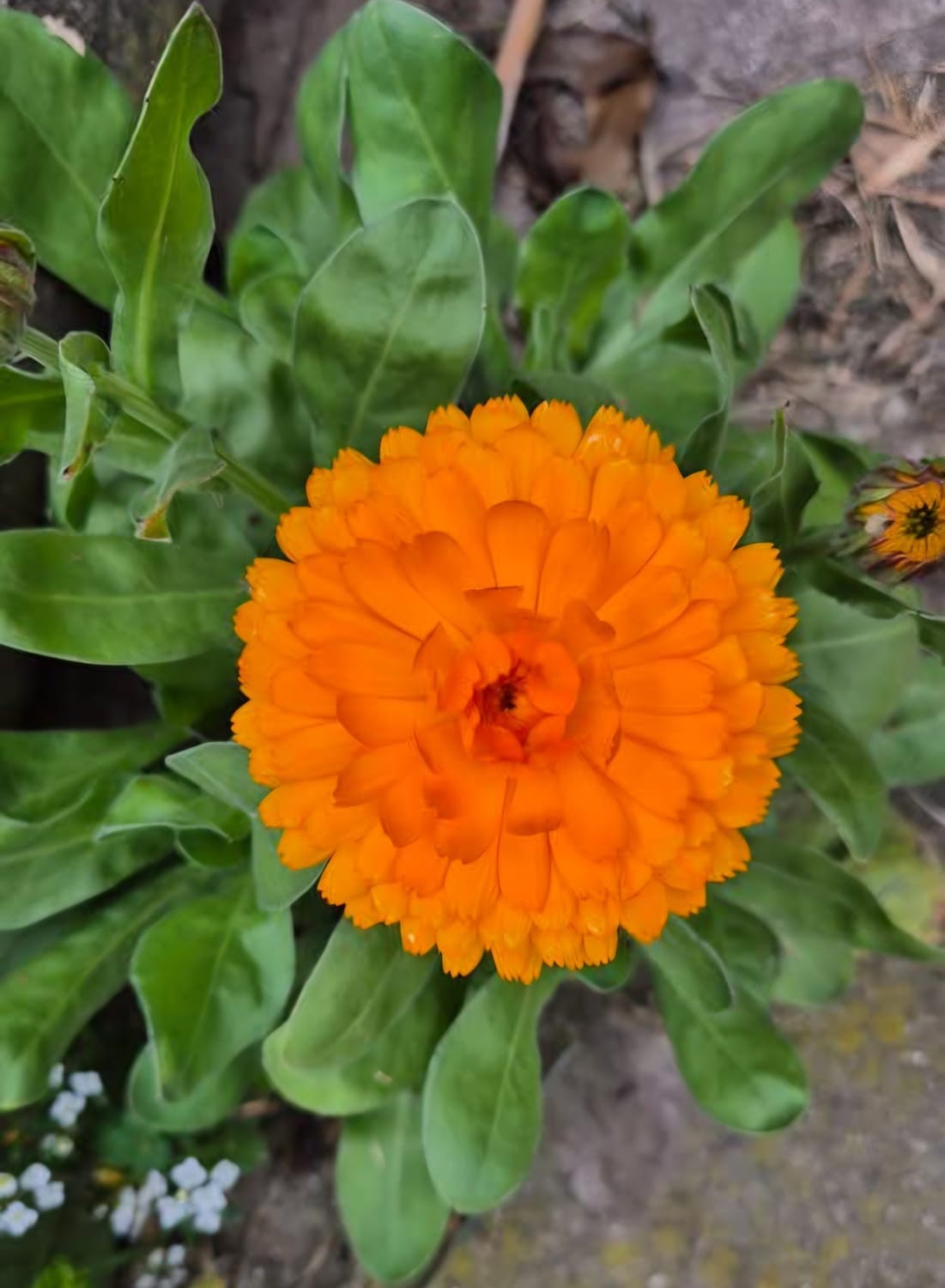
Calendula (Calendula officinalis) Beauty from my Garden (image credit me Aley Young)
A Pollinator Favourite 🌼🐝
Calendula isn’t just healing for us — it’s a magnet for pollinators.
Bees absolutely adore it. In my garden, calendula is often buzzing with life, especially bumblebees who seem particularly drawn to its open, welcoming flower shape.
If you’re wanting to attract more beneficial insects, calendula is an easy and generous starting point.
💛 If you haven’t already, I’ve created a free Butterfly & Bee resource to help you design a garden that supports pollinators naturally — you’ll find it HERE.
🌱 And if you’re in Aotearoa New Zealand, I also encourage you to check out the NZ Bumblebee Conservation Trust, who do incredible work protecting and advocating for these essential pollinators.
The Magic of Calendula Seeds
One of the most delightful things about calendula is its seeds.
They’re not uniform or boring — quite the opposite. Each seed head contains a variety of shapes and sizes, from curved, almost caterpillar-like forms to tighter, crescent shapes. No two are quite the same.
This diversity feels like a quiet reminder from nature: there’s no single “right” way to grow.
When to Harvest Calendula Seeds
Calendula seeds are ready to harvest once the flower has fully bloomed, faded, and dried on the plant.
You’ll notice:
The petals fall away
The seed head dries and turns brown
The seeds loosen easily when touched
Here is a video demonstration
I like to let nature do most of the work — harvesting on a dry day when the seed heads are crisp and ready.
How to Harvest and Store
Gently pinch or cut off the dried seed head
Rub it between your fingers to release the seeds
Remove any remaining plant material
You can also place the heads in a brown paper bag and gently shake them to loosen the seeds
Store seeds in a paper envelope or glass jar
Label with the date (future you will thank you)
Calendula seeds remain viable for several years if kept cool, dry, and out of direct sunlight.
Letting Calendula Self-Seed
You don’t have to harvest all the seeds — and I actually recommend leaving some behind.
Calendula self-seeds beautifully, returning year after year with little effort. I often find new plants popping up in unexpected places, as if the garden itself decided where healing was needed next.
A Flower That Teaches Us
Calendula has taught me that healing doesn’t have to be complicated.
Sometimes it’s as simple as:
Letting roots stay in the soil
Allowing plants to complete their natural cycle
Saving seeds
Welcoming the bees
Trusting that nature knows how to regenerate
If you’ve never grown calendula before, let this be your sign. And if you already do, maybe this season is an invitation to slow down, harvest the seeds, and notice just how much life one small flower supports.
Created with ©systeme.io• Privacy Policy • Terms and Conditions